Liher > Blog > Announcements > Seen and Not Alone: Redesigning Mental Health Resources for Latino/x Men
29Apr
Seen and Not Alone: Redesigning Mental Health Resources for Latino/x Men
Suicide rates among Hispanic/Latino/x men (from now, Latino/x) in the United States have been rising at an alarming pace. Between 2010 and 2020, completed suicides among Latino/x working-aged men increased by nearly 36%. In Massachusetts, the numbers are even more troubling — between 2016 and 2017 alone, deaths by suicide among Latino men surged 76%, and they continue to exceed the state average. Behind these statistics are real barriers: cultural stigma around mental health, economic instability, social isolation, and a healthcare system that often fails to speak to — or even speak the language of — the communities it’s meant to serve.
A new study published in the American Journal of Men’s Health documents a community-driven effort to confront this crisis head-on by redesigning MassMen, a Massachusetts state website offering mental health resources and screening tools for men. LIHER Researchers at UMass Amherst partnered with Latino/x men, clinicians, and community organizations to find out why the site wasn’t reaching this population — and what it would take to change that.
The answer, it turned out, wasn’t just a translation problem. It was a representation problem.
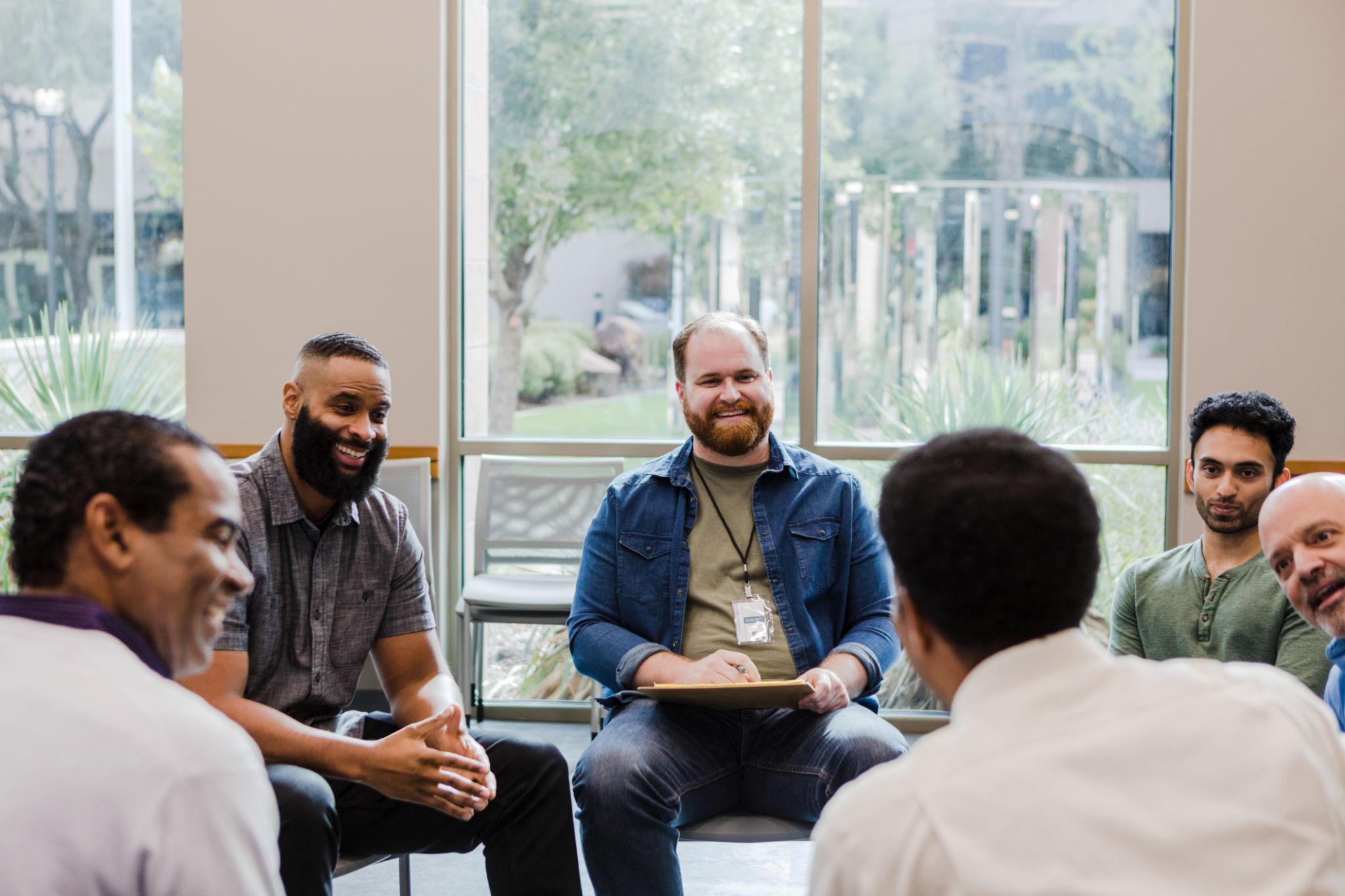
When 31 Latino/x men participated in bilingual focus groups and navigated the MassMen site for the first time, their feedback was consistent and candid. They said the website felt outdated, text-heavy, and visually sterile. Images of men of color were nearly absent. Critical resources — like the 988 Suicide & Crisis Lifeline — were buried at the bottom of the page. For Spanish-speaking participants, the experience was even more alienating: the only Spanish option was a Google Translate button that, when clicked, produced errors that were not culturally responsive. For example, the word “vets” was translated as “veterinarians.” The abbreviation “Mass” became “misa” — the Spanish word for Catholic mass.
One participant, a 27-year-old Colombian immigrant, put it plainly: there was no love in it. No real attention paid to what someone would actually read.
That feedback became a blueprint for change. Working with a Latinx-owned production company and community mental health providers, the research team helped the Massachusetts Department of Public Health overhaul the site. The most significant addition was a bilingual video series called Everyday Stories, featuring Latino/x men speaking openly — in English and Spanish — about their struggles with mental health, addiction, problem gambling, and suicide and how they sought help.
The impact was immediate and personal. In a follow-up survey, participants who watched the videos reported feeling seen and not alone. Nearly half said they had referred someone else to the website. The numbers are modest, but the meaning is not: men who had never encountered a resource that reflected their lives were now sharing it with others.
The study’s takeaway for researchers, public health practitioners, and policymakers is straightforward: culturally adapting a resource isn’t a finishing touch — it’s the foundation. Community involvement, professional translation, and authentic representation aren’t enhancements to effective outreach. They are effective outreach.
As the research team continues refining MassMen — with plans to include veterans, LGBTQ+ Latino men, and men in high-risk occupations — their work offers a replicable model for how public health institutions can earn trust in communities they have too often overlooked.